2.11.2026
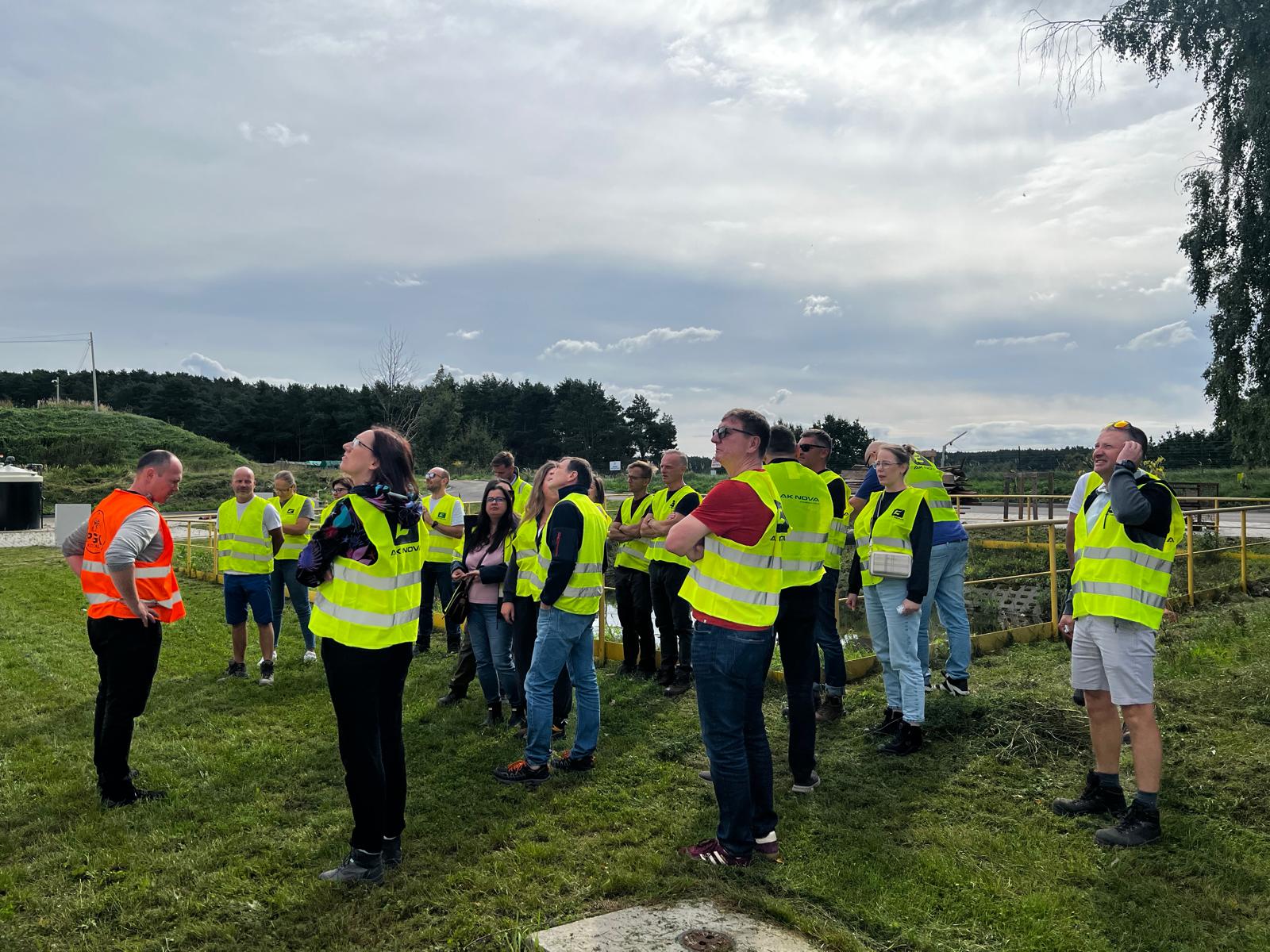
AK NOVA and APRIVA at the BIOODPADY 2026 Conference 🌱
Read more




Modernizing a waste management facility does not always require obtaining a new permit. However, replacing equipment, expanding the biological treatment section, increasing capacity, or introducing additional types of waste may affect the conditions specified in existing administrative decisions.

Process air discharged from a waste management facility may contain ammonia, volatile organic compounds, and other substances that must be controlled before the gases are released into the atmosphere.
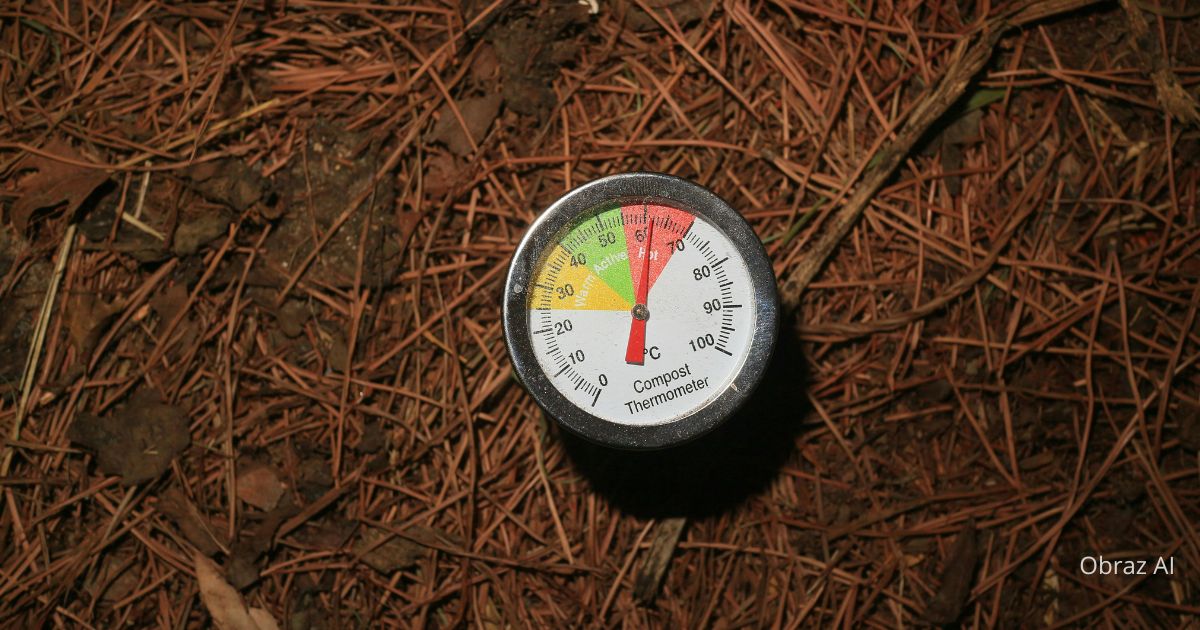
Temperature and oxygen availability are among the parameters used to assess the composting process and the aerobic stabilization of waste. Their values change over time, and conditions inside a compost pile or bioreactor may vary between individual measurement points.

The abbreviations BAT, BOD₅, COD, MBP, and RDF regularly appear in environmental documentation, waste management facility designs, and facility operation reports. Each of these refers to a different topic.
In waste management projects, the most costly mistake is often made before the first excavator even arrives on the construction site. Poorly chosen technology, inconsistent environmental documentation, an underestimated timeline for approvals, or a design whose assumptions do not align with subsequent operation can delay the project by months and generate costs many times greater than the savings achieved during the preparation phase. That is why a sound investment begins with the integration of technology, paperwork, design, and construction as early as the conceptual phase.

Residents’ complaints about odors, an ever-increasing stream of biowaste, difficulties in maintaining stable process parameters, and a facility that was supposed to last for years but is now operating at the limits of its capacity. This is a scenario that both a large waste treatment facility and a smaller municipal utility might face. In such a situation, the problem should not be reduced solely to the question: “How do we eliminate the odor?” The key question is: What in the biological process has stopped functioning optimally, and how can we regain control over the entire facility?